







Best ice melt for composite decking (the direct answer)
The safest, most widely recommended choice for composite decking is a 염화칼슘-based ice melt applied in a light, even layer. 염화마그네슘 products are also commonly used, especially when you want a gentler option for pets and nearby landscaping.
대부분의 겨울 피해를 방지하는 간단한 규칙이 필요한 경우: 먼저 눈을 치운 다음 녹은 염화물을 조금씩 사용하고, 생성된 진창을 제거하여 다시 얼거나 잔여물이 남지 않도록 하십시오.
- Use: Calcium chloride (best cold-weather performance) or magnesium chloride (often marketed as “pet/plant friendlier”).
- Avoid: Sand (abrasive scratching), metal shovels, and dyed/colored ice melt pellets that can stain.
- Apply light: 과도하게 적용해도 더 빨리 녹지 않습니다. 잔류물, 유출수 및 청소가 증가합니다.
What to use vs. what to avoid on composite boards
Composite-safe options
대부분의 주택 소유자는 깨끗하게 용해되고 하드스케이프용(콘크리트/석재) 라벨이 붙은 펠릿 또는 플레이크 제빙기를 사용하여 최상의 결과(그리고 보드 표면에 대한 위험이 가장 적음)를 얻습니다. For composite decking, prioritize products that do not contain grit and do not include added dyes.
- Calcium chloride: Fast acting and effective in colder temperatures; 씻어내는 연한 흰색 잔여물이 남을 수 있습니다.
- Magnesium chloride: Works well for typical winter conditions and is often chosen when pets frequently use the deck.
- Blends: Many commercial “ice melt” blends combine chlorides; they can be fine if they are non-abrasive and non-dyed.
피해야 할 제품 및 관행
합성 데크의 표면 손상은 일반적으로 용융 작용 자체가 아닌 주변 금속 구성 요소의 마모, 얼룩 또는 부식으로 인해 발생합니다.
- Sand: The grit can grind into the surface texture and dull the finish over time.
- Dyed ice melt: Colored pellets and tracking dyes can stain boards, especially lighter colors and textured embossing.
- 금속 삽/얼음 다지기: One scrape can permanently score capped composite surfaces.
- Over-application: Excess product turns snow into slush that refreezes into a rough layer and increases white residue.
Temperature performance: choosing the right deicer for your winter
Ice melt performance changes sharply with temperature. 데크가 장시간 동안 영하로 떨어지는 경우가 자주 발생한다면 "실용적인 녹는 온도"가 더 낮은 제품을 선택하면 도포해야 하는 양이 줄어듭니다.
| Deicer type | 최저 실제 용융 온도(대략) | 복합 데크가 중요한 이유 | Best-use scenario |
|---|---|---|---|
| 염화나트륨(암염) | ~15°F practical range | Cheap, but can be harsher on nearby metal hardware and plants; 온도가 떨어지면 더 많은 제품이 필요합니다. | 영하 근처/영하의 온화한 겨울 |
| Magnesium chloride | ~ -10°F practical range | Often chosen for reduced paw irritation and less aggressive runoff than heavy rock-salt use. | 전형적인 주거용 겨울 조건 |
| Calcium chloride | ~ -20°F practical range | Very effective in cold snaps, so you can use less product; may leave a removable white film. | Colder climates or shaded decks |
| CMA (calcium magnesium acetate) | ~20°F practical range | Lower corrosion risk but weaker cold performance; can require heavier application and costs more. | 민감한 조경/금속 우선순위 |
유용한 정보: 데크의 온도가 일상적으로 20°F 미만인 경우 암염은 비효율적이며 일반적으로 더 무거운 적용으로 이어집니다. 이는 바로 레일 패스너 및 금속 가구 주변의 잔류물, 유출 및 부식 위험을 증가시키는 것입니다.
How to apply ice melt on composite decking (a practical method)
The goal is not to “clear to bone dry” with chemicals. The goal is to break the bond so you can remove slush safely without scraping the boards.
Step-by-step workflow
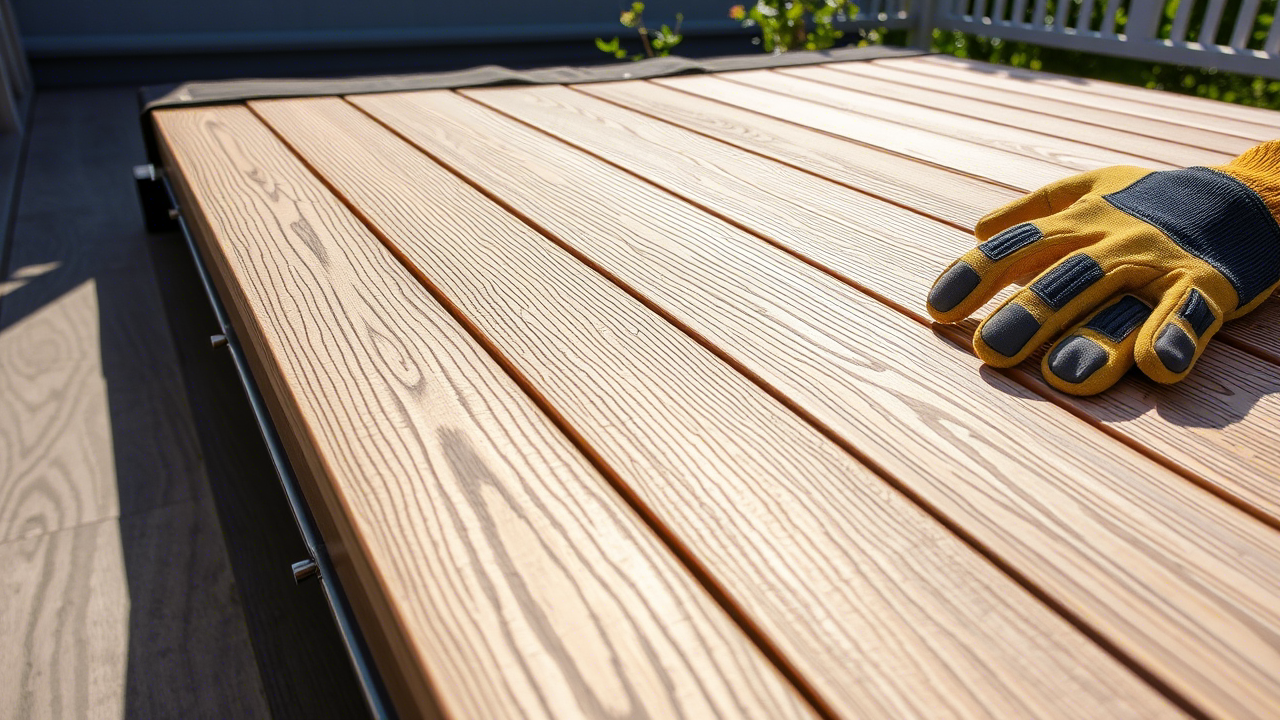
- Use a plastic shovel or broom to remove loose snow before anyone walks on it (foot traffic compacts it into ice).
- Sprinkle ice melt evenly—avoid piles. Focus on high-traffic lanes (door to stairs, grill path, seating area).
- Let it work for 10–30 minutes depending on temperature and ice thickness.
- Remove the softened slush with a broom and dustpan or a plastic shovel (do not let it refreeze overnight).
- When conditions permit, rinse or wipe down the surface to remove residue—especially on lighter boards and near doors where tracking is common.
적용할 금액(일반적인 보장 대상)
Follow your product label first. If you need a practical reference point for calcium chloride, many application-rate guides target 2–4 ounces per square yard to melt a thin ice sheet near 20°F. For decks, it is often sufficient to treat only walking paths rather than the entire surface.
마른 보드에 펠렛이 놓여 있는 것을 확실히 볼 수 있다면(얼음에 녹지 않음) 너무 많이 도포했거나 빠른 활성화를 하기에는 조건이 너무 차갑거나 건조한 것일 수 있습니다.
Preventing stains, residue, and surface wear
Keep abrasion out of your winter routine
Composite decking (especially capped boards) resists moisture well, but it does not like abrasive grit. Skip sand and avoid stiff wire brushes. 견인력이 필요한 경우 데크용으로 제작된 얼룩이 없고 모래가 없는 견인 제품을 사용하거나 사람이 많이 다니는 곳에 임시 실외 러너를 설치하십시오.
Avoid colorants and “high-visibility” pellets
Dyed ice melt is a common cause of discoloration on composite boards. The risk increases with textured grain patterns where pigment can lodge and become difficult to rinse out.
Watch nearby metal and rail components
Chlorides can accelerate corrosion on some metals. 데크에 노출된 패스너, 장식 강철 요소 또는 금속 가구가 있는 경우 경로를 가볍게 처리하고 녹은 물/슬러시를 쓸어내어 금속 바닥에 닿지 않도록 하십시오.
Composite decking types: capped vs. uncapped and why it affects your approach
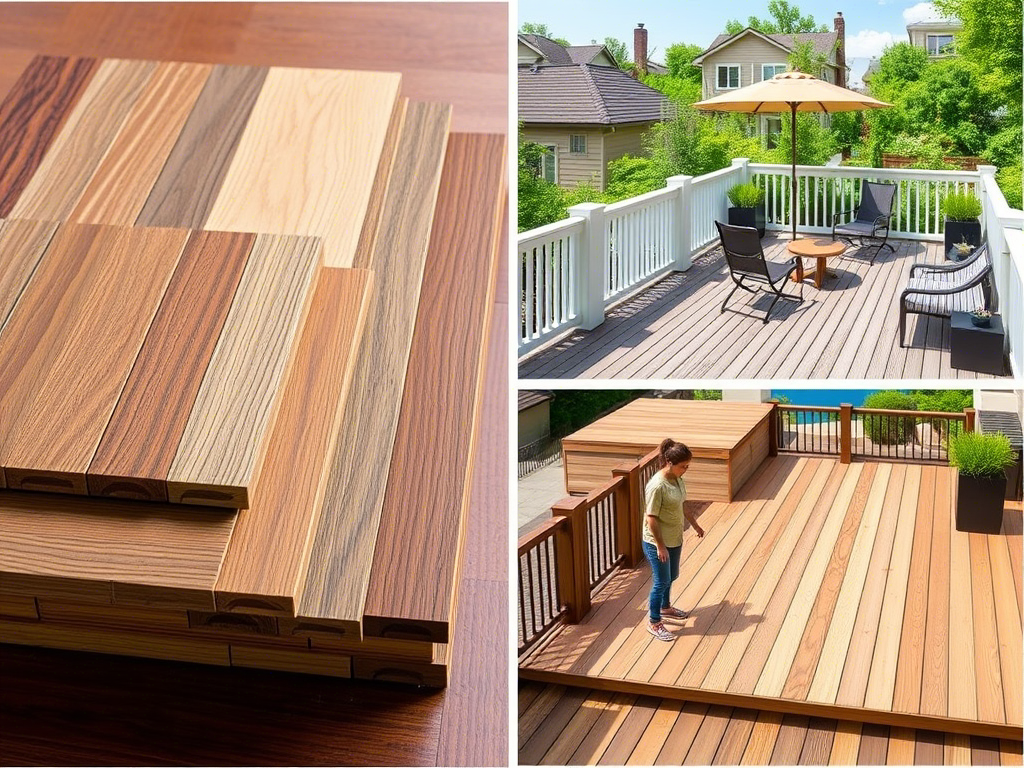
Not all composite decking surfaces behave the same. A capped board (polymer shell over a composite core) generally cleans up more easily and resists staining better than older, uncapped composite.
- Capped composite: Prioritize gentle snow tools, non-dyed ice melt, and a quick rinse when temperatures rise. Residue is usually superficial.
- 제한 없음/오래된 복합: Be more conservative with colored products and standing slush; it can hold residue in the surface texture longer.
If you know your decking brand, check the manufacturer’s care guidance for deicers. When you do not know the brand, choosing calcium chloride and avoiding abrasive/dyed products is the lowest-risk default.
Common questions about ice melt for composite decking
Can I use rock salt on composite decking?
때로는 그렇습니다. 일부 제조업체에서는 이를 허용합니다. Practically, however, rock salt loses effectiveness as temperatures drop and can lead to heavier application. If you want a broadly safe recommendation across composite deck types, choose calcium chloride (또는 염화마그네슘) 대신.
Why do I see a white film after using ice melt?
That is usually residue from chloride-based products. It is typically cosmetic and removable. Sweep away slush promptly, and when temperatures allow, rinse with water and wash using a mild soap-and-water solution.
What if my deck boards are a light color or have deep embossing?
Be stricter about avoiding dyes and over-application. Light boards make residue more visible, and embossed patterns can hold pellets and pigments. Treat only the paths you need, then rinse when safe.
Is “pet-safe” ice melt automatically safe for composite decking?
Not automatically. “Pet-safe” usually focuses on paw irritation and ingestion risk, not staining or abrasion. Confirm it is non-abrasive and non-dyed, and still apply lightly and remove slush.
결론
Use a calcium chloride (or magnesium chloride) ice melt, apply it sparingly, and remove the slush before it refreezes. Most composite deck problems in winter come from abrasion, staining dyes, and leftover residue—not from careful, minimal deicing.
If you adopt only two habits, make them these: use plastic tools (no scraping) and avoid sand or dyed products. That combination keeps composite decking looking consistent season after season.